




Hazara
Hazara’s Population Exceeded 560,000 in 1901; Gujjar and Awan Were Among the Largest Communities.
20-Nov-2026 — Qazi Jawad
0 Comments
39 Views
اردو میں پڑھیں
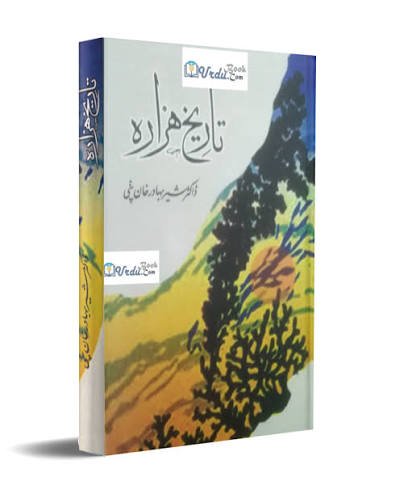
Historical Gazetteer sheds light on the population, tribes and communities of Hazara region 125 years ago
Around 125 years ago, the Hazara region was home to a diverse population comprising various tribes, communities and ethnic groups spread across its plains, valleys and mountainous areas. Historical records from the 1901 census, documented in the Gazetteer of the Hazara District, published in 1907, provide insight into the region’s population and tribal composition at the time.
Compiled by H.D. Watson, the historical gazetteer contains valuable information about the population, geography, tribes, settlements and history of the Hazara region.
Total Population of Hazara in 1901
According to the figures cited from the historical record, the combined population of the three tehsils of Abbottabad, Mansehra and Haripur in 1901 stood at 528,666.
Including the population of Upper Tanawal, recorded at 31,622 within its state boundaries, the total population reached 560,288.
Major Tribes and Communities of Hazara in 1901
According to the historical figures cited, the population of some of the major communities in Hazara was as follows:
1. Gujjar — 91,670
2. Awan — 90,474
3. Tanoli — 58,700
4. Swati — 34,989
5. Dhund — 25,231
6. Syed — 22,696
7. Karlal — 15,733
8. Jadoon — 11,590
9. Mughal — 8,311
10. Malyar — 7,770
11. Sarara — 7,332
12. Gakhar — 4,445
13. Mashwani — 3,992
14. Turk — 2,379
The gazetteer also mentions several other tribes and communities, including Dalazak, Usmanzai, Tareen, Bamba, Bib, Pani, Tarkheli, Pathan, Qureshi, Rajput and others. However, separate population figures for some of these communities could not be clearly established from the available text.
Tribal Settlements Across the Hazara Region
Historical accounts indicate that Gujjars and Awans were among the largest communities in Hazara. Tanolis were particularly associated with Tanawal, Swatis with Mansehra and mountainous valleys, Dhunds with Bakote and the Galiyat region, Karlals with Nara and Rajoiya, Jadoons with areas around Abbottabad, and Mashwanis with the Gandhgarh hills and surrounding areas.
The gazetteer also discusses various tribal branches, settlement patterns, historical events and the regional influence of certain families and communities.
A Glimpse Into Hazara’s Collective History
These figures represent the population and tribal composition of the Hazara region as recorded in the 1901 census and historical documents. They should not be interpreted as reflecting present-day population figures or current tribal proportions.
Nevertheless, the historical record offers an important glimpse into the region’s past, its settlement patterns and the communities that shaped the collective history of Hazara.
Which tribe or community do you belong to? Do you have any historical traditions passed down by your elders, family genealogies or information about the early settlement of your village or area? Share your views and historical knowledge in the comments as we continue to explore and preserve the history of Hazara and its diverse communities

Comments (0)
No comments yet — be the first to comment.
Leave a Comment