




Pakistan
Earth: The Blue Planet — Why Freshwater Is One of Our Most Precious Resources.
19-Oct-2026 — Qazi Jawad
0 Comments
37 Views
اردو میں پڑھیں
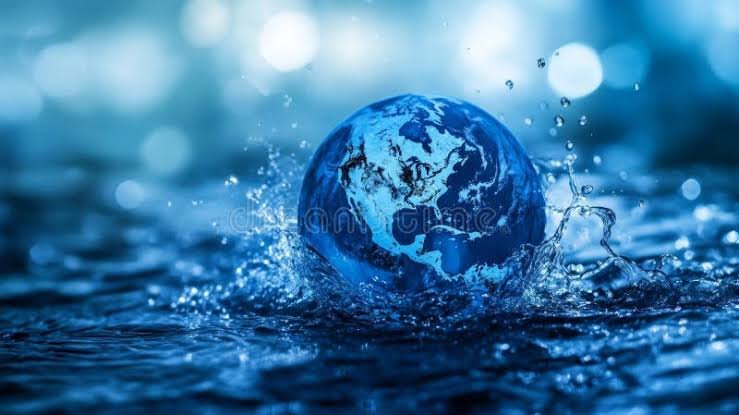
Islamabad: Our planet is known as the “Blue Planet” because approximately 71% of its surface is covered by water. However, around 97% of Earth's water is salty seawater, which cannot be used directly for drinking without desalination.
Saltwater: Abundant but Not Drinkable
Saltwater is found in the world's five major oceans. Its high salt content makes it unsuitable for direct human consumption and limits its use in agriculture and many industrial processes without appropriate treatment.
The Reality of Freshwater
According to widely cited scientific estimates, only about 3% of Earth's total water is freshwater. This limited resource is essential for human life, wildlife, agriculture, and plant ecosystems.
How Is Earth's Freshwater Distributed?
The surprising and concerning fact is that most of Earth's freshwater is not readily accessible to humans.
68.7%: Frozen in glaciers and ice sheets, mainly in polar regions and high mountain areas.
30.1%: Stored underground as groundwater, which can be accessed through wells and boreholes.
0.3%: Found in surface freshwater sources, such as lakes and rivers.
Note: These percentages are approximate and refer to the distribution of freshwater among major reservoirs. The remaining fraction is found in other sources, including soil moisture and the atmosphere.
A Warning for the Future
This is why environmental scientists around the world emphasise water conservation, responsible water use, and protecting glaciers from the effects of global warming.
Glaciers are vital freshwater reservoirs that sustain rivers and support communities, agriculture, and ecosystems. As global temperatures rise, glaciers melt faster, contributing to sea-level rise and threatening the long-term stability of freshwater supplies in many regions.
However, it is important to understand that glacier meltwater does not simply disappear into the oceans overnight. The greater concern is that accelerated melting can disrupt river flows, reduce long-term water availability, and threaten communities that depend on glacial water.
The message is clear: Every drop of freshwater matters. Protecting our water resources, reducing waste, and addressing climate change are essential steps towards securing a sustainable future for generations to come.




Comments (0)
No comments yet — be the first to comment.
Leave a Comment