




Funny & Weird
The Bombardier Beetle: Nature’s Remarkable Chemical Defense System
08-Oct-2026 — Qazi Jawad
0 Comments
4 Views
اردو میں پڑھیں
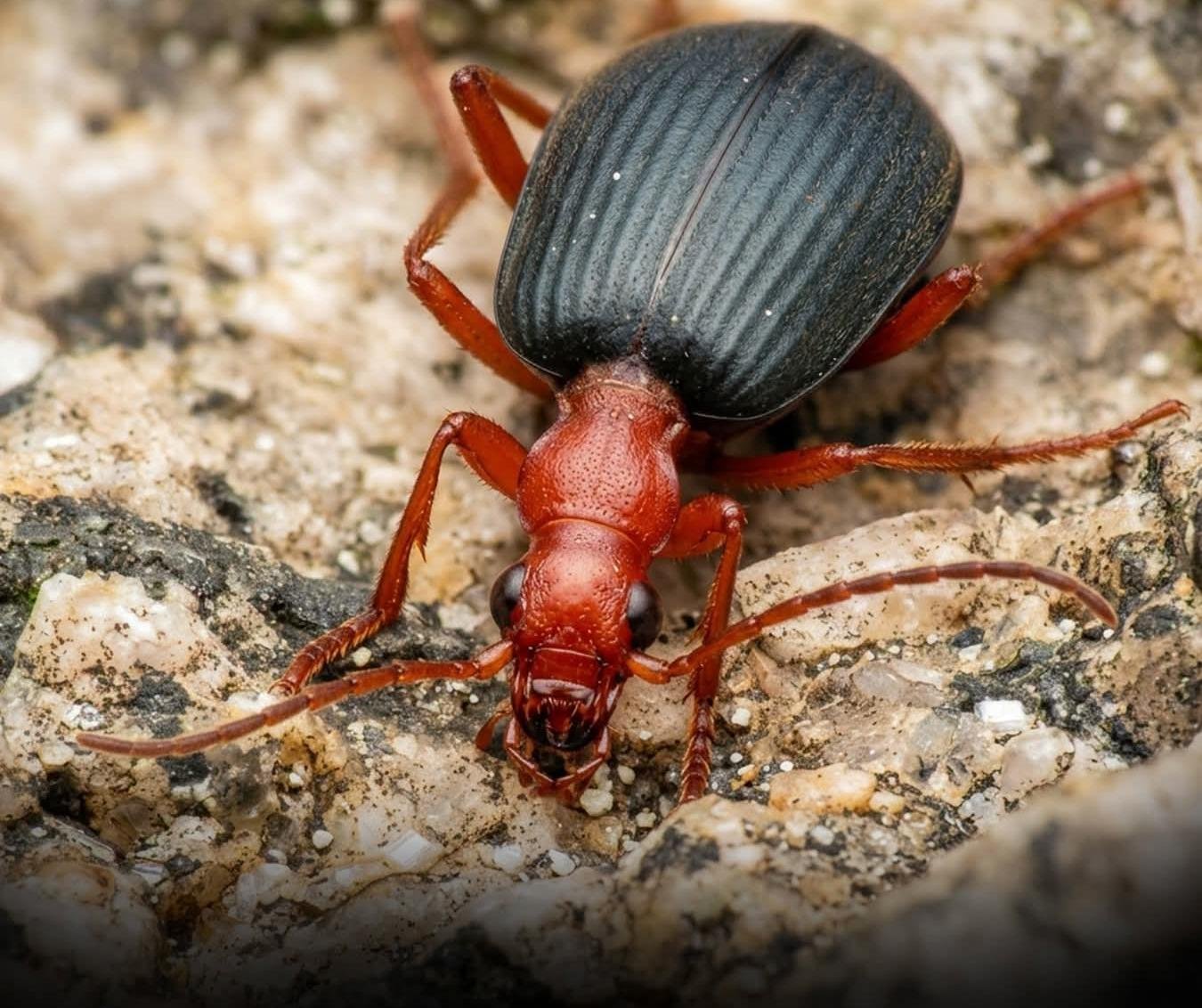
ISLAMABAD: The bombardier beetle is one of nature’s most fascinating insects, known for its extraordinary self-defense mechanism. When threatened, the beetle can release a hot, irritating chemical spray toward its attacker, creating a remarkable natural defense system.
An Introduction to the Beetle
Bombardier beetles are found in various parts of the world. When they sense danger from predators such as ants, frogs or spiders, they can release a powerful chemical spray from the rear end of their bodies.
The spray is discharged rapidly and can irritate or harm an attacker. The release is also accompanied by a distinctive popping or explosive sound, which may help startle and deter the predator.
One of the most remarkable features of the beetle is its ability to direct the spray with considerable accuracy. It can adjust the position of the tip of its abdomen to aim the defensive discharge toward the approaching threat.
How Does the Chemical Defense Work?
The beetle's defense system functions like a tiny chemical laboratory inside its body.
It stores two key chemicals separately:
Hydroquinone
Hydrogen peroxide
When the beetle is threatened, these chemicals are released into a specialized reaction chamber. There, enzymes trigger a rapid chemical reaction.
What Happens During the Reaction?
The chemical reaction produces heat and gases, causing the resulting hot mixture to be expelled rapidly from the beetle's abdomen.
The sudden release produces the characteristic popping sound and delivers the irritating chemical spray toward the predator.
A Remarkable Example of Natural Engineering
The bombardier beetle is a striking example of how animals have evolved sophisticated mechanisms for survival. Instead of relying solely on physical strength or speed, this tiny insect uses a highly specialized chemical defense system to deter predators.
Its ability to produce, control and accurately direct the hot chemical discharge has made the bombardier beetle one of the most fascinating examples of defensive adaptation in the natural world.
An Introduction to the Beetle
Bombardier beetles are found in various parts of the world. When they sense danger from predators such as ants, frogs or spiders, they can release a powerful chemical spray from the rear end of their bodies.
The spray is discharged rapidly and can irritate or harm an attacker. The release is also accompanied by a distinctive popping or explosive sound, which may help startle and deter the predator.
One of the most remarkable features of the beetle is its ability to direct the spray with considerable accuracy. It can adjust the position of the tip of its abdomen to aim the defensive discharge toward the approaching threat.
How Does the Chemical Defense Work?
The beetle's defense system functions like a tiny chemical laboratory inside its body.
It stores two key chemicals separately:
Hydroquinone
Hydrogen peroxide
When the beetle is threatened, these chemicals are released into a specialized reaction chamber. There, enzymes trigger a rapid chemical reaction.
What Happens During the Reaction?
The chemical reaction produces heat and gases, causing the resulting hot mixture to be expelled rapidly from the beetle's abdomen.
The sudden release produces the characteristic popping sound and delivers the irritating chemical spray toward the predator.
A Remarkable Example of Natural Engineering
The bombardier beetle is a striking example of how animals have evolved sophisticated mechanisms for survival. Instead of relying solely on physical strength or speed, this tiny insect uses a highly specialized chemical defense system to deter predators.
Its ability to produce, control and accurately direct the hot chemical discharge has made the bombardier beetle one of the most fascinating examples of defensive adaptation in the natural world.
Tags:
##Mansehra.Com
Comments (0)
No comments yet — be the first to comment.
Leave a Comment