




History
Thonis-Heracleion: The Lost City of Ancient Egypt Hidden Beneath the Mediterranean.
07-Oct-2026 — Qazi Jawad
0 Comments
91 Views
اردو میں پڑھیں
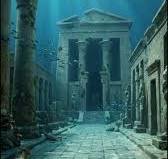
Alexandria — Beneath the waters of the Mediterranean, off the coast of Egypt, lies the remarkable remains of Thonis-Heracleion, an ancient city that for centuries was known mainly through references in ancient Greek and Egyptian texts. Today, its submerged ruins are providing archaeologists with an extraordinary glimpse into the world of ancient Egypt.
An Ancient Gateway to Egypt
Before the rise of Alexandria, Thonis-Heracleion was one of Egypt’s most important ports and served as a major gateway for ships arriving from the Greek world.
The city was not only an important commercial centre but also a major religious site. Its great temple was dedicated to Amun-Gereb, one of the most important deities of ancient Egypt. The city also had strong connections with the Greek world and its religious traditions.
Archaeological discoveries show that the port was a major hub of international trade, with extensive harbour basins, canals, ships and hundreds of ancient anchors.
A City Swallowed by the Sea
The city eventually disappeared beneath the waters of Aboukir Bay. Archaeological and geological research suggests that a combination of factors—including gradual land subsidence, rising sea levels, earthquakes, tidal waves and soil liquefaction—contributed to its submergence.
The city was built on soft sediments deposited by the Nile. Under certain conditions, these sediments could lose their strength and suddenly collapse, causing large sections of the land to sink. By the eighth century AD, Thonis-Heracleion had largely disappeared beneath the Mediterranean.
Rediscovered After Centuries
For more than a thousand years, the city remained hidden beneath layers of water, sand and sediment.
Underwater archaeological research in the region began in the 1990s. In 2000, French underwater archaeologist Franck Goddio and his team, working with Egypt’s antiquities authorities, located the remains of Thonis-Heracleion approximately 6.5 kilometres off the modern Egyptian coastline in Aboukir Bay.
The discovery transformed what had long been regarded as a mysterious city mentioned in ancient sources into a tangible archaeological reality.
Treasures Preserved Beneath the Water
The city’s submergence unexpectedly helped preserve many of its archaeological remains. Divers and archaeologists have uncovered colossal statues, temple remains, inscriptions, jewellery, coins, ceramics, ritual objects, anchors and the remains of numerous ancient vessels.
Among the most impressive discoveries are enormous statues associated with the city’s temples, some standing more than 16 feet high. More than 700 ancient anchors and numerous shipwrecks have also been identified at the site, highlighting the scale of maritime activity that once took place there.
Two Names, One Lost City
One of the most fascinating discoveries was that Thonis and Heracleion were actually the same city.
Thonis” was the Egyptian name, while “Heracleion” was the name used by the Greeks. Ancient writers, including Herodotus and Strabo, referred to the city in their accounts, but its exact location remained a mystery for centuries. Archaeological evidence eventually solved this long-standing historical puzzle.
An Archaeological Time Capsule
Because the city disappeared beneath the sea and was subsequently covered by layers of sediment, many of its remains escaped the destruction and rebuilding that affected cities on land.
Archaeologists describe the site as a kind of archaeological time capsule. Yet despite decades of research, only a small portion of the ancient city has been explored. Franck Goddio has estimated that around five percent of the city has so far been discovered.
A Lost City Still Revealing Its Secrets
Thonis-Heracleion is more than an underwater archaeological site. It offers a rare window into the commercial, religious and cultural life of ancient Egypt and its connections with the wider Mediterranean world.
More than a thousand years after the city vanished beneath the sea, its statues, temples, ships and everyday objects are once again telling the story of a civilization that was almost erased from human memory.
Thonis-Heracleion may have disappeared beneath the Mediterranean, but its history has only just begun to resurface.
An Ancient Gateway to Egypt
Before the rise of Alexandria, Thonis-Heracleion was one of Egypt’s most important ports and served as a major gateway for ships arriving from the Greek world.
The city was not only an important commercial centre but also a major religious site. Its great temple was dedicated to Amun-Gereb, one of the most important deities of ancient Egypt. The city also had strong connections with the Greek world and its religious traditions.
Archaeological discoveries show that the port was a major hub of international trade, with extensive harbour basins, canals, ships and hundreds of ancient anchors.
A City Swallowed by the Sea
The city eventually disappeared beneath the waters of Aboukir Bay. Archaeological and geological research suggests that a combination of factors—including gradual land subsidence, rising sea levels, earthquakes, tidal waves and soil liquefaction—contributed to its submergence.
The city was built on soft sediments deposited by the Nile. Under certain conditions, these sediments could lose their strength and suddenly collapse, causing large sections of the land to sink. By the eighth century AD, Thonis-Heracleion had largely disappeared beneath the Mediterranean.
Rediscovered After Centuries
For more than a thousand years, the city remained hidden beneath layers of water, sand and sediment.
Underwater archaeological research in the region began in the 1990s. In 2000, French underwater archaeologist Franck Goddio and his team, working with Egypt’s antiquities authorities, located the remains of Thonis-Heracleion approximately 6.5 kilometres off the modern Egyptian coastline in Aboukir Bay.
The discovery transformed what had long been regarded as a mysterious city mentioned in ancient sources into a tangible archaeological reality.
Treasures Preserved Beneath the Water
The city’s submergence unexpectedly helped preserve many of its archaeological remains. Divers and archaeologists have uncovered colossal statues, temple remains, inscriptions, jewellery, coins, ceramics, ritual objects, anchors and the remains of numerous ancient vessels.
Among the most impressive discoveries are enormous statues associated with the city’s temples, some standing more than 16 feet high. More than 700 ancient anchors and numerous shipwrecks have also been identified at the site, highlighting the scale of maritime activity that once took place there.
Two Names, One Lost City
One of the most fascinating discoveries was that Thonis and Heracleion were actually the same city.
Thonis” was the Egyptian name, while “Heracleion” was the name used by the Greeks. Ancient writers, including Herodotus and Strabo, referred to the city in their accounts, but its exact location remained a mystery for centuries. Archaeological evidence eventually solved this long-standing historical puzzle.
An Archaeological Time Capsule
Because the city disappeared beneath the sea and was subsequently covered by layers of sediment, many of its remains escaped the destruction and rebuilding that affected cities on land.
Archaeologists describe the site as a kind of archaeological time capsule. Yet despite decades of research, only a small portion of the ancient city has been explored. Franck Goddio has estimated that around five percent of the city has so far been discovered.
A Lost City Still Revealing Its Secrets
Thonis-Heracleion is more than an underwater archaeological site. It offers a rare window into the commercial, religious and cultural life of ancient Egypt and its connections with the wider Mediterranean world.
More than a thousand years after the city vanished beneath the sea, its statues, temples, ships and everyday objects are once again telling the story of a civilization that was almost erased from human memory.
Thonis-Heracleion may have disappeared beneath the Mediterranean, but its history has only just begun to resurface.



Comments (0)
No comments yet — be the first to comment.
Leave a Comment