




Pakistan
Metal “Cat Eyes” Continue to Be Used on Pakistani Roads Despite Safety Concerns, Raising Fears of Tyre Bursts and Accidents
30-Oct-2026 — Qazi Jawad
0 Comments
27 Views
اردو میں پڑھیں
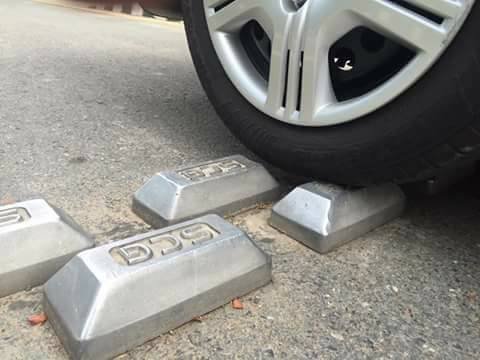
ISLAMABAD: Metal road studs commonly known as “Cat Eyes,” installed on roads under the National Highway Authority (NHA), have become a growing concern for motorists. Citizens say these raised metal fixtures can damage vehicle tyres and may increase the risk of accidents, particularly when vehicles pass over them at high speeds or drivers apply sudden brakes.
Cat Eyes are small metal or plastic road studs designed to reflect vehicle headlights and help drivers identify lanes and road boundaries, especially at night. Their primary purpose is road marking and visibility. However, concerns have been raised over their use at certain locations in Pakistan as speed-control devices or substitutes for conventional speed breakers.
Risk of Tyre Damage and Road Accidents
According to motorists, driving over metal Cat Eyes at high speeds can potentially damage tyres, affect vehicle stability and create dangerous driving conditions. The risk may be greater for vehicles fitted with old or weakened tyres.
A report by PakWheels has claimed that 75 to 90 per cent of tyre-burst incidents are linked to Cat Eyes. However, this claim requires independent verification and supporting evidence. Another report also highlighted an incident in which a broken Cat Eye reportedly caused an injury to a citizen's friend, raising further concerns about the installation and maintenance of these road fixtures.
Are Cat Eyes an Appropriate Alternative to Speed Breakers?
According to road-safety and engineering principles, Cat Eyes are primarily intended to improve road visibility and indicate lane markings, rather than slow down vehicles.
For this reason, approved speed-control measures should be used where traffic calming is required. Rubber speed humps, rumble strips and other recognised traffic-calming measures are among the alternatives used in different countries.
Experts emphasise that any speed-control installation should take into account road design, traffic conditions and established safety standards.
Court Orders and Administrative Responsibility
The use of metal Cat Eyes has also raised legal and administrative questions in Pakistan. According to the information provided, a court in Gujrat ordered their removal from roads in 2020. Warrants were also reportedly issued against officials over non-compliance with the court's directions.
However, further clarification is needed regarding the relevant court orders and the current status of their implementation, particularly on roads managed by the National Highway Authority.
Citizens Seek Clarification from NHA
The National Highway Authority has yet to provide a clear public explanation regarding the use of metal Cat Eyes as speed breakers.
According to available information, NHA documents refer to Cat Eyes as road-marking and visibility devices rather than as a method of controlling vehicle speed.
Citizens have also taken to social media under the hashtag #SayNoToCatsEyes, calling for a review of the use of metal Cat Eyes on highways. They are demanding that unsafe installations be removed and replaced with approved road-safety measures.
Public representatives and motorists say that road infrastructure should prioritise not only smooth traffic flow but also the safety of drivers, passengers and vehicles. They have urged the relevant authorities to conduct a technical and legal review and introduce a clear policy to address the issue.



Comments (0)
No comments yet — be the first to comment.
Leave a Comment