




Agriculture
An Ancient Agricultural Tradition of Mansehra: Odi, Chhaat and Satta.
22-Oct-2026 — Qazi Jawad
0 Comments
28 Views
اردو میں پڑھیں
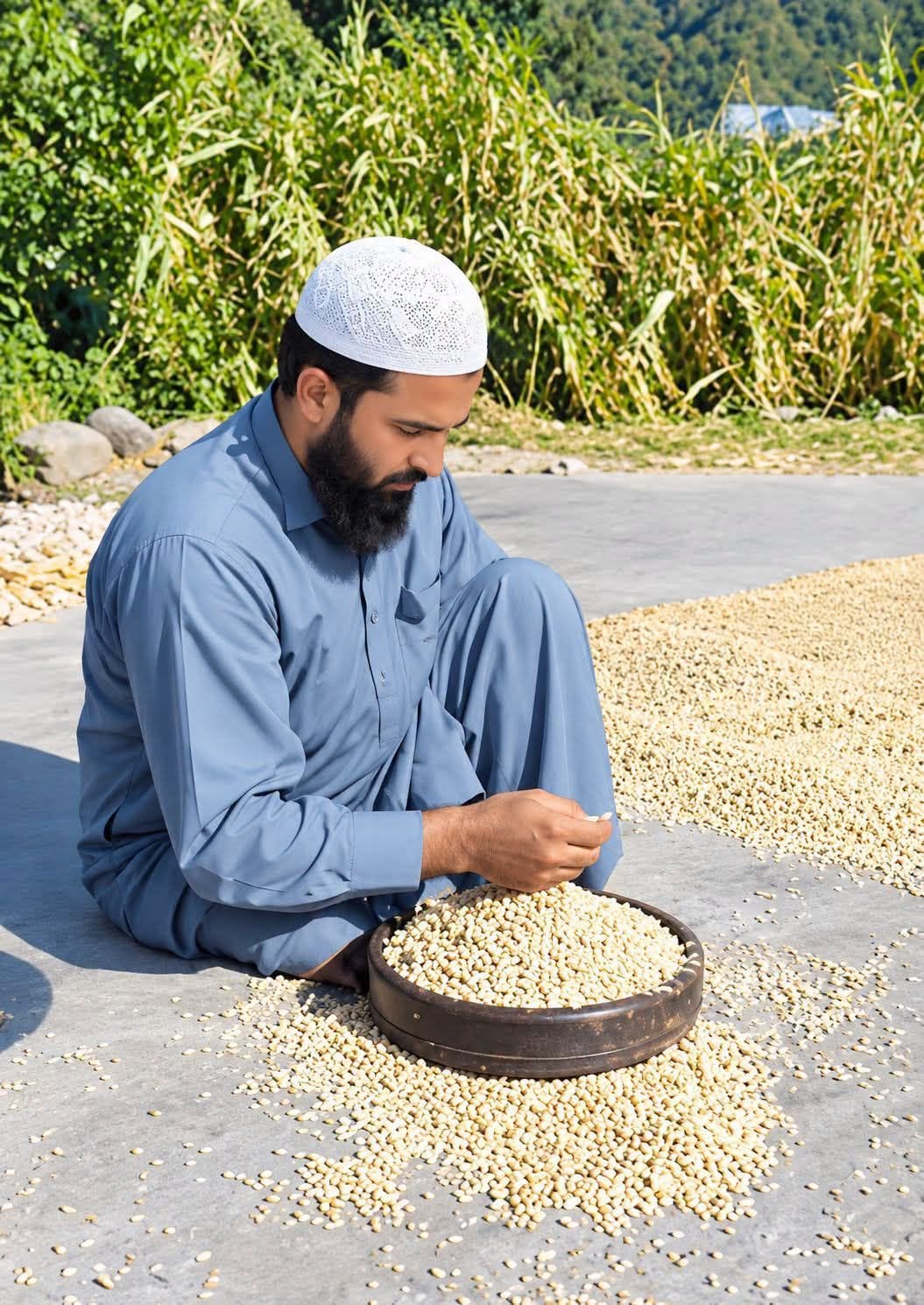
In Mansehra and the surrounding mountainous areas, our ancestors used a special wooden measuring container to measure harvested crops such as maize and wheat. This traditional measuring unit was locally known as “Odi.”
In the local Pashto language, this measuring unit is called “Awgay.” According to the traditional system, when grain was measured using 60 Odis (Awgay), the total quantity was referred to in some areas as a “Chhaat” or “Chhaata.” In Pashto, a quantity of 60 Awgay was known as “Satta.”
This traditional measurement system was not merely a way to measure grain; it also reflected the agricultural lifestyle, local languages, honesty, and customs of our ancestors. The calculation of Ushr (the obligatory agricultural tithe) was also made according to the applicable Islamic principles and the quantity of the harvest.
Over time, modern measuring systems replaced many of these traditional practices. However, these customs remain an important part of our cultural heritage and the memories of our elders.
Who among you has seen or used this traditional measuring unit, “Odi” or “Awgay”? Is the traditional system of “Satta” or “Chhaat” still practised in your area?
Share your memories, knowledge, and local traditions in the comments so that we can preserve this valuable part of our cultural heritage for future generations.


Comments (0)
No comments yet — be the first to comment.
Leave a Comment